
The complete guide
How to Choose a Princess Castle Play Tent That Actually Gets Used
The thing kids actually want
Children ask for their own space earlier than most parents expect. It shows up as blanket forts over dining chairs, cushions dragged behind the sofa, a corner of the wardrobe claimed as a base. The urge is simple. They want somewhere that belongs to them, with a door they decide to open or close.
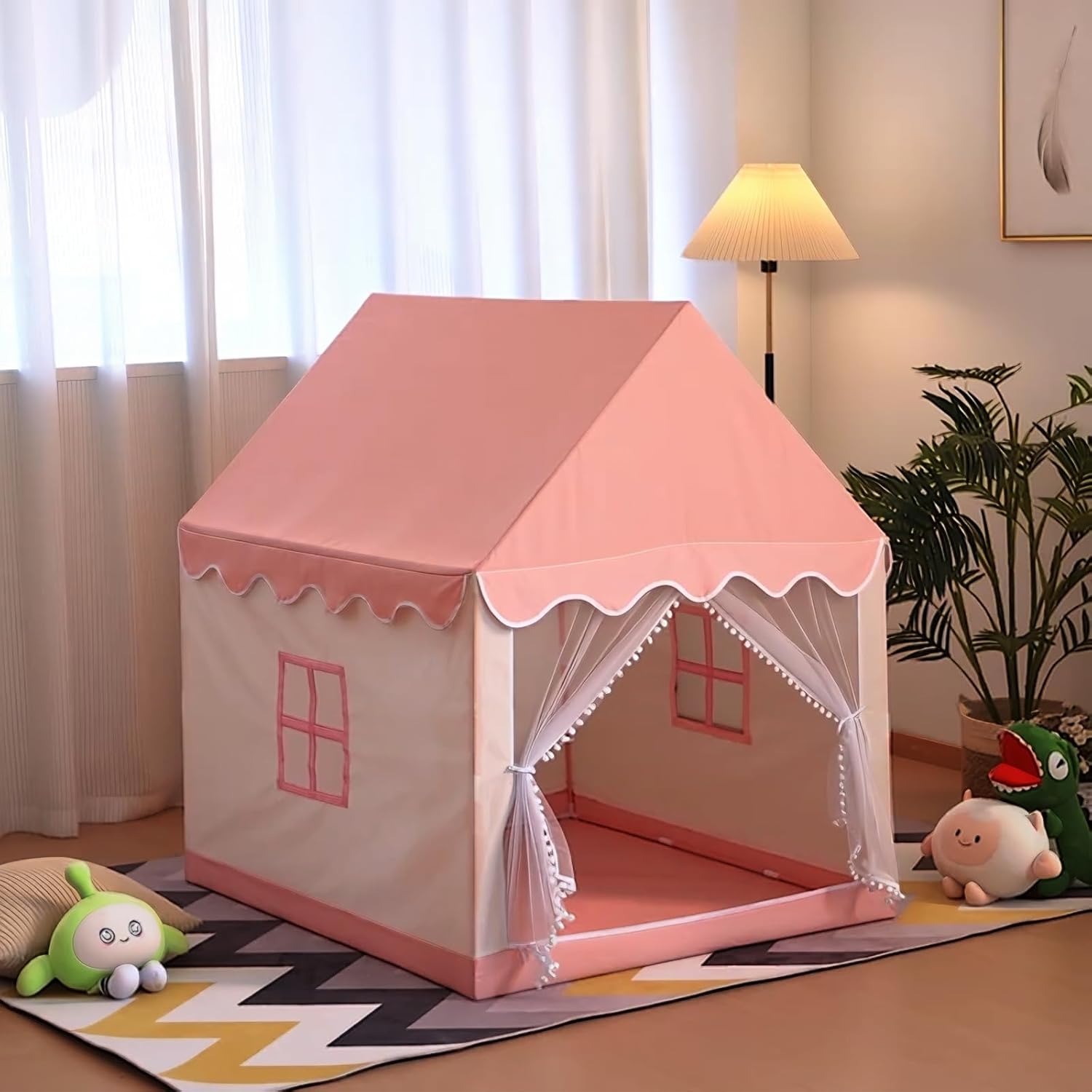
A castle play tent gives that to them without taking over your house. It has walls, a roof and a doorway, which is the whole point. The difference between a tent and a blanket over chairs is that a tent still looks tidy at 6pm when guests arrive, and it does not collapse the moment someone leans on it.
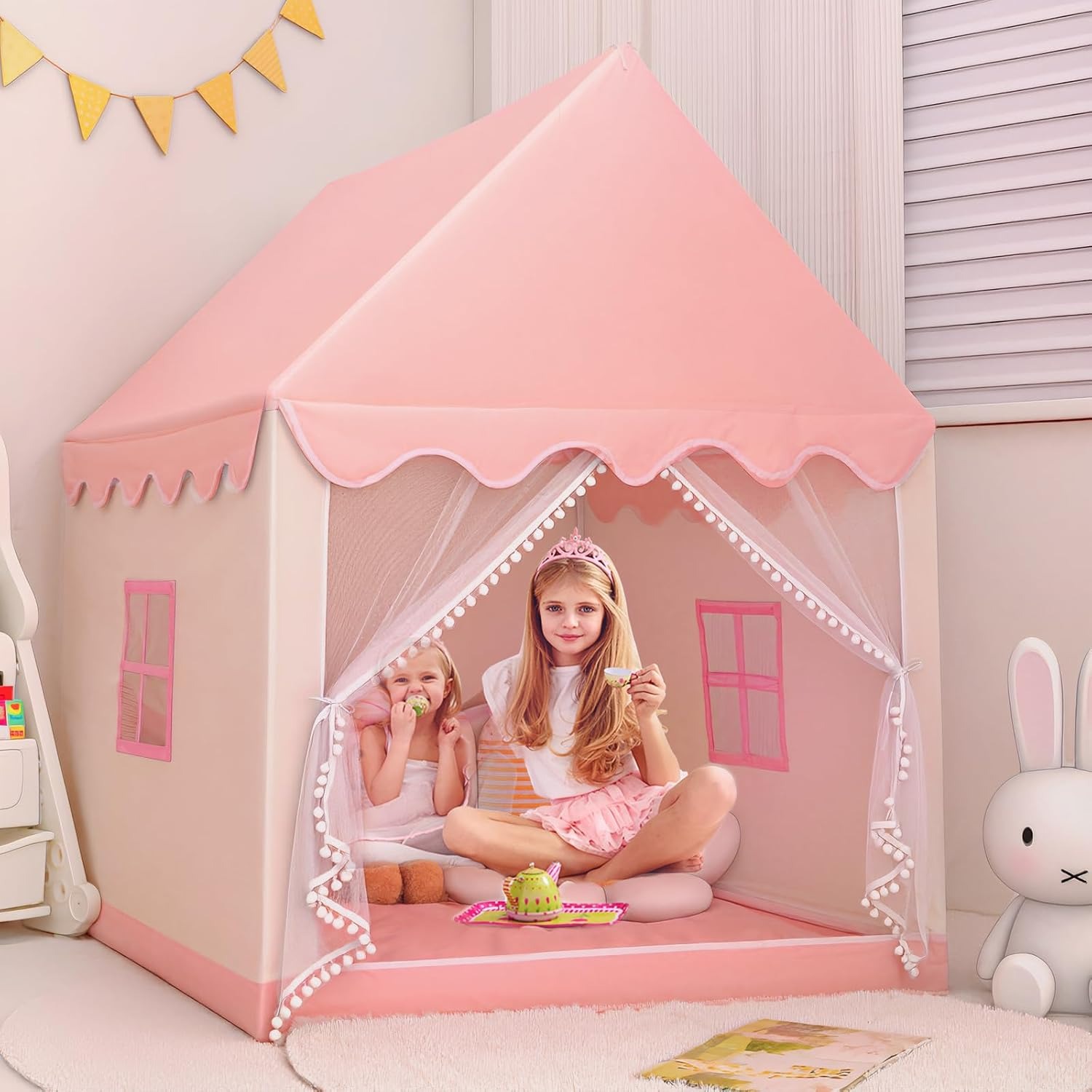
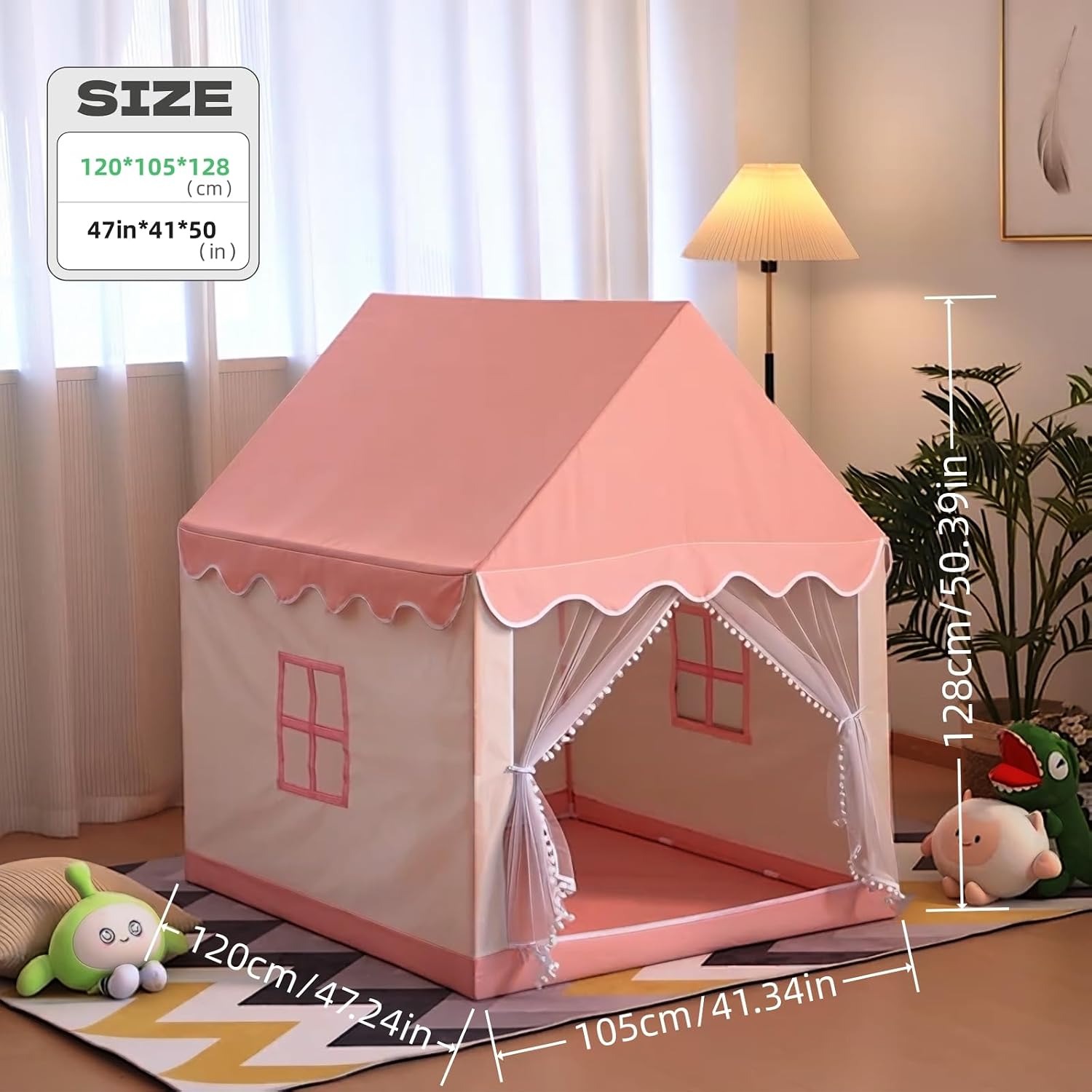
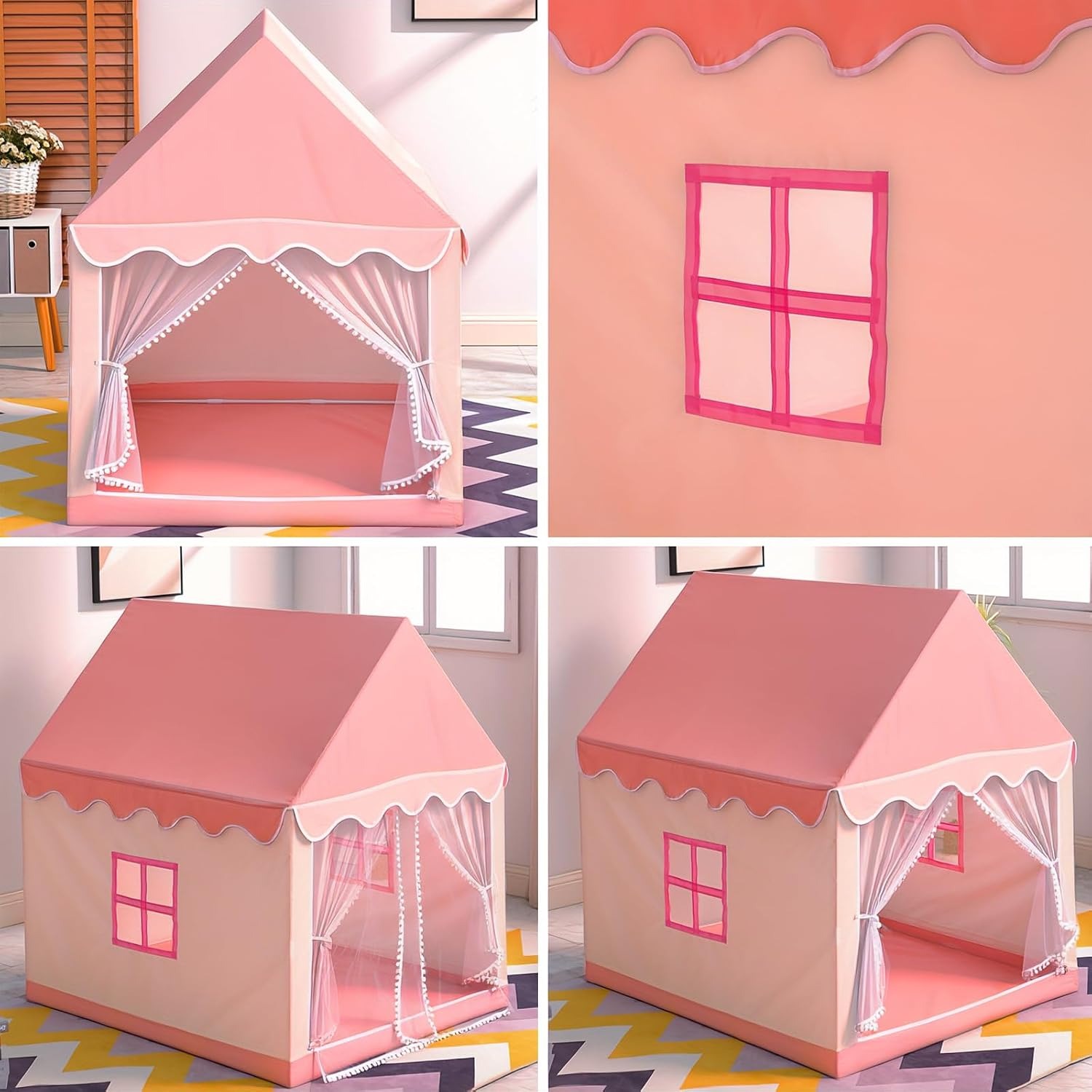
This particular one measures 140 x 120 x 100 cm. In practical terms, that is tall enough for a young child to kneel or stand inside, and wide enough for two or three kids to sit in a circle. It reads as a building rather than a crawl space, which matters more than you would think for how long it holds a child's interest.
How it is built
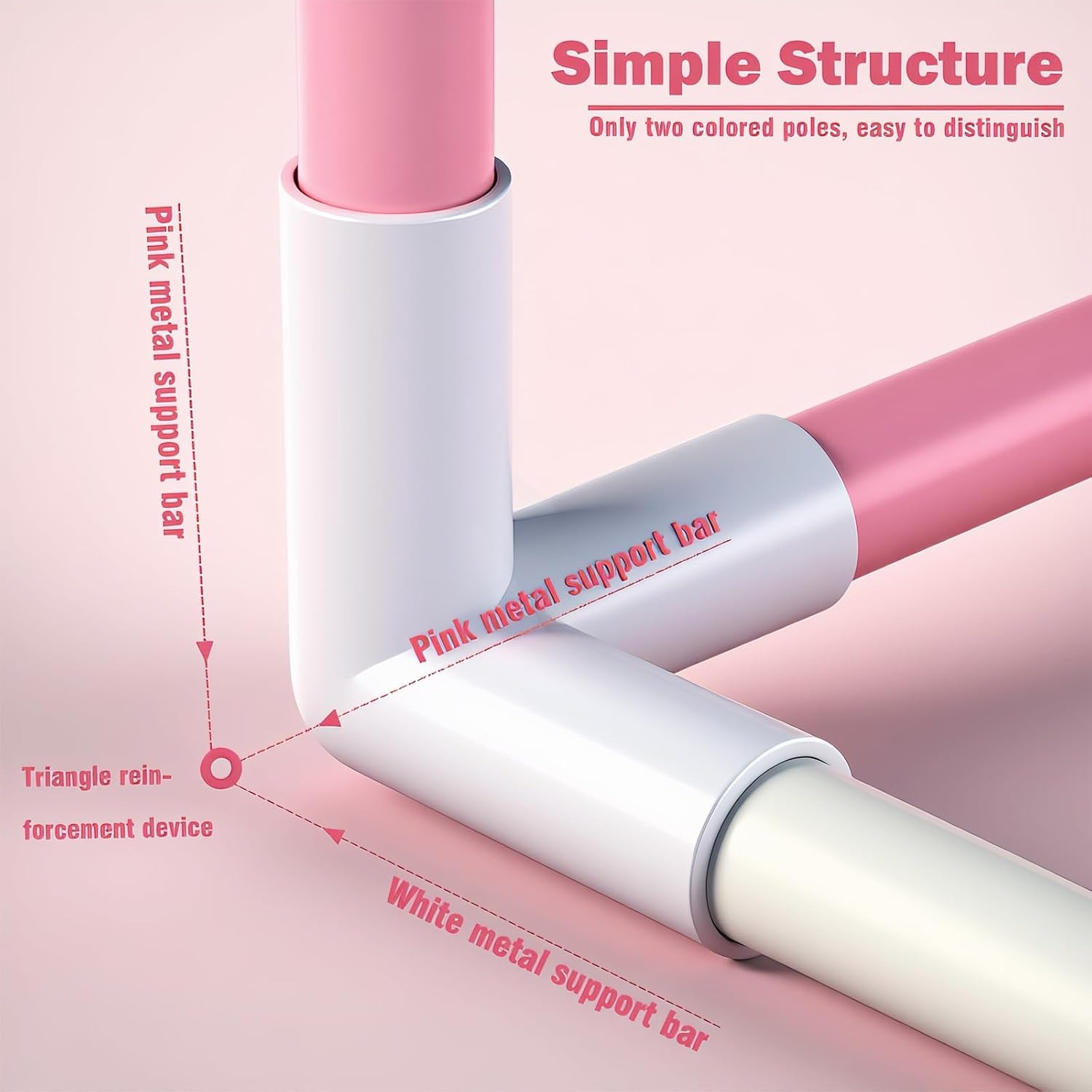
The structure is a PVC pole frame with a polyester cover over the top. The poles push into connectors by hand, and the fabric slips over the finished skeleton. There are no screws and no tools, which is exactly what you want when you are assembling something on the floor with a three year old supervising.
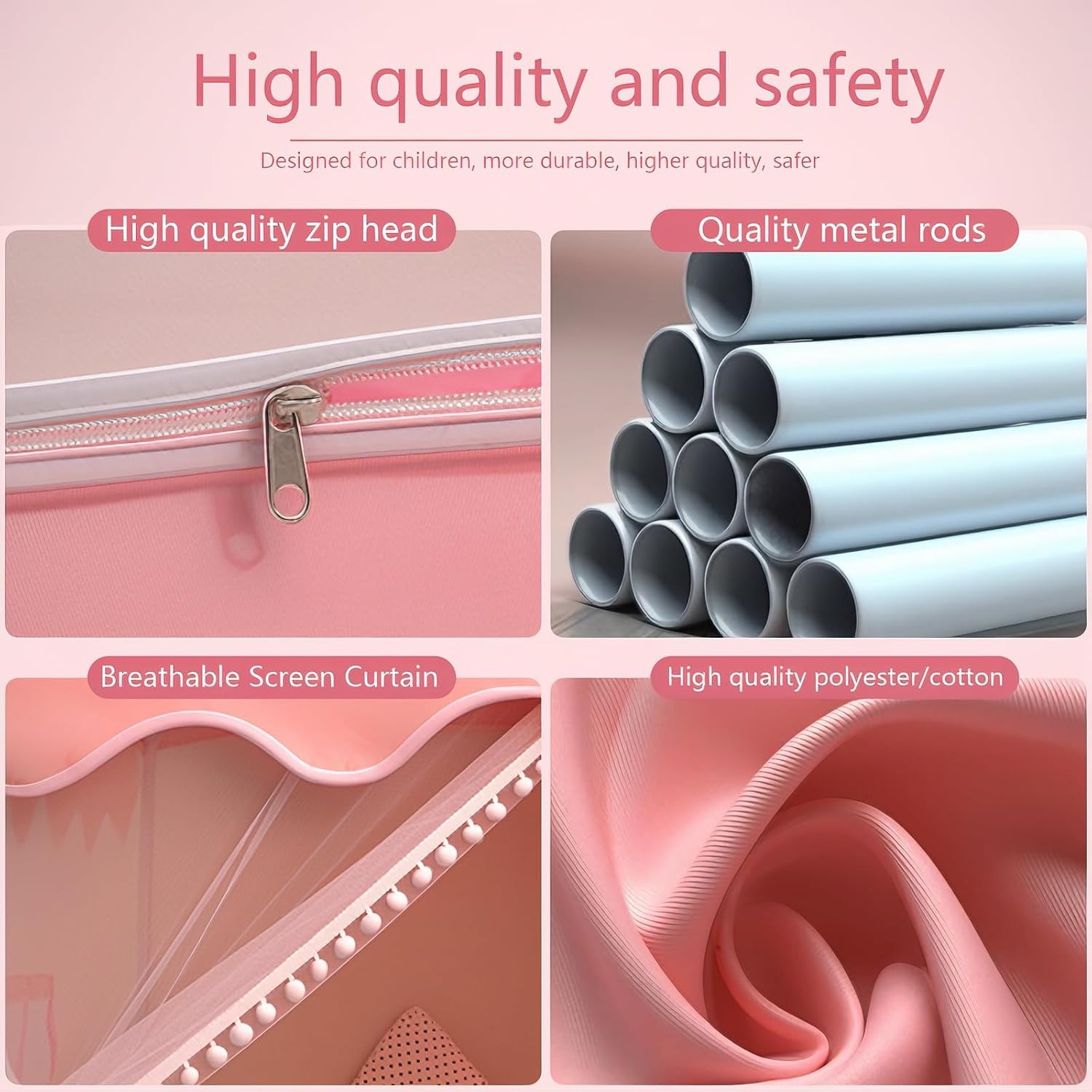
PVC is the standard for this type of play structure because it is light, it does not rust, and it holds a shape without being heavy enough to hurt if the frame tips. Polyester is the usual cover fabric for the same reasons. It takes colour well, it does not crease badly, and it wipes clean.
The two windows are backed with white mesh, and the door opens. That combination is what keeps the inside from turning into a hot box. Fabric play tents without mesh get stuffy within about twenty minutes of a child sitting inside, and the child comes out. Airflow is a boring feature on a product page and a very noticeable one in real use.
The star string light is the part kids remember. Drape it around the frame or along the roofline and the inside takes on a soft glow. It changes the tent from a daytime toy into somewhere a child wants to sit at bedtime with a book.
Who it suits
The listed age range is 36 months to 18 years, which sounds broad until you think about how differently the same tent gets used over time. A three year old crawls in and out of it fifty times an afternoon. A six year old sets up a shop or a hospital inside. A nine year old drags a cushion in and reads.
It works for a single child who wants a hideaway and for siblings who need a shared base. Two to three kids fit comfortably. Beyond that, it gets crowded fast, and someone ends up outside complaining.
It also suits settings beyond the home. Daycare rooms, kindergarten quiet corners, library story areas and party venues all use play tents the same way, as a defined soft space. If you are buying for one of those, check your own supervision and fire safety rules first, since those vary by setting and country.
Choosing between the options
There are a few things worth comparing when you look at any kids castle tent.
Height first. Anything under about 110 cm forces children to crouch, and that limits how long they stay inside. At 140 cm, most children under about eight can sit up fully and many can stand. That one number predicts how much the tent gets used better than almost anything else.
Frame type. Pop-up tents with spring steel wire fold flat in seconds but they tend to lose their shape over a year or two, and they can be fiddly to collapse. Pole frames like this one take longer to set up the first time but hold their form and can be rebuilt if a pole needs replacing.
Ventilation. Look for mesh, not just printed windows. Netted openings move air. Fabric panels with a window drawn on them do nothing.
How it stores. A tent that breaks into poles and folded cloth fits in a cupboard. A rigid pop-up needs a specific flat spot. If you are short on storage, the poles-and-cloth design wins.
Light. A star string light is included here. If you are comparing a tent without one, factor in that you will probably buy fairy lights separately anyway, because every child asks.
Setting it up well
Pick a flat spot. Carpet, a rug or a smooth floor all work. Uneven ground outdoors makes the frame sit crooked and the fabric pull unevenly.
Leave clearance for the door. People set tents hard into a corner and then find the opening faces a wall. Think about where a child enters from before you commit to a position.
Add a soft floor. The package includes poles and tent cloth, so there is no built-in mat. A play mat, a folded blanket or a small rug makes an enormous difference to how long children stay inside. It also keeps the fabric cleaner, since less dirt gets tracked straight onto the cover edges.
Keep it away from heat. No candles, no heaters, no open flames anywhere near it. That rule applies to every fabric play structure and is worth saying out loud to older kids who might think a reading nook needs a candle.
Looking after it
Everyday cleaning is simple. A damp cloth with a bit of mild soap handles juice marks, sticky fingers and dust. Let it dry before you fold it.
If it needs a proper wash, hand washing in cool water is the safest approach. Reshape the cover while damp and dry it flat rather than hanging it, which stops the seams pulling out of line. Skip the tumble dryer entirely.
For the frame, a dry cloth is enough. Every few months, run your hands along the poles and check the connectors for cracks or splits. PVC is tough but it does eventually fatigue at the joints, and a quick check catches it before a pole lets go mid-play.
Store it dry. Damp fabric packed into a cupboard is how play tents end up smelling musty and growing marks that will not wash out. Give it a day to air out after outdoor use.
As a gift
This is a common present for birthdays, Christmas and new bedrooms, and it tends to land well because the result is visible immediately. If you can, set it up before the child sees it rather than wrapping the box. A castle already standing with the star light on beats a flat package every time.
It also doubles as party decor. Set it in a corner with cushions and it becomes a photo spot and a quiet retreat for whichever child needs a break from the noise, which at most parties is at least one of them.
The short version
A castle play tent earns its place if it is tall enough to sit up in, has real mesh for airflow, and comes apart for storage. This one covers all three. The 140 cm height means children are not crouching, the netted windows keep the inside from getting stuffy, and the PVC frame breaks down into poles and folded cloth when you want your floor back.
Add a rug and a few cushions, keep it away from heat, give it an occasional wipe, and it will see a child through several years of play, from crawl-in hideaway to reading corner. The star light is the detail that makes them want to be in there after dark, and that is usually what seals it.