
The complete guide
How To Choose A Kids Play Tent That Actually Gets Used
The problem with most play tents
Buy a cheap play tent and you learn the same lesson a lot of parents learn. It goes up on a birthday, gets used hard for about four days, then sits in the corner sagging while everyone pretends not to see it. Sometimes the fabric is too thin. Sometimes the frame bends after the first enthusiastic dive. More often, the real issue is size. The tent is simply too small for anything except one child sitting very still.
Children do not want to sit very still. They want to bring in a friend, a stack of books, three soft toys and a torch. They want to lie down. They want to turn around without knocking the whole thing over. A tent that cannot handle that becomes a decoration, and a decoration that takes up floor space is on borrowed time.
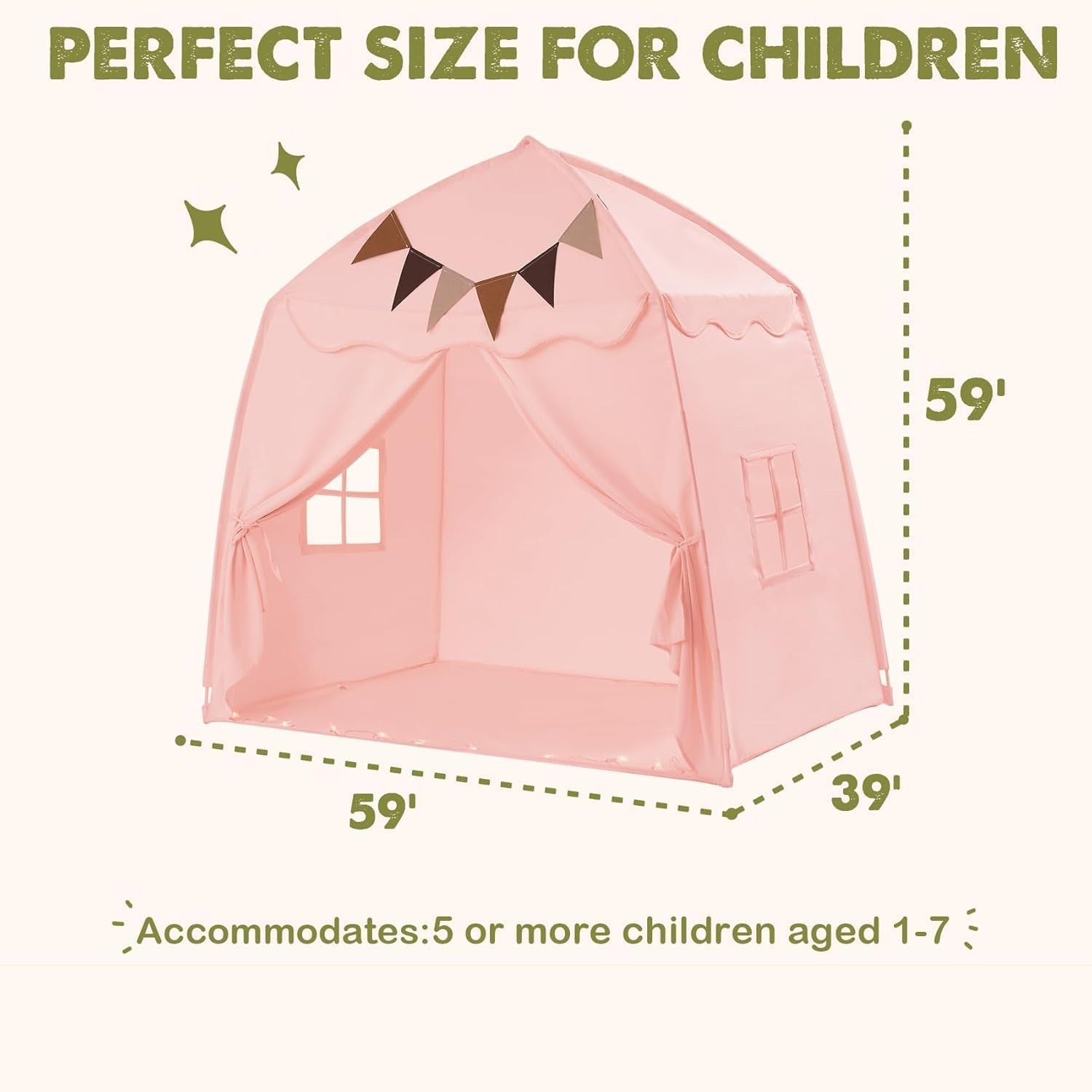
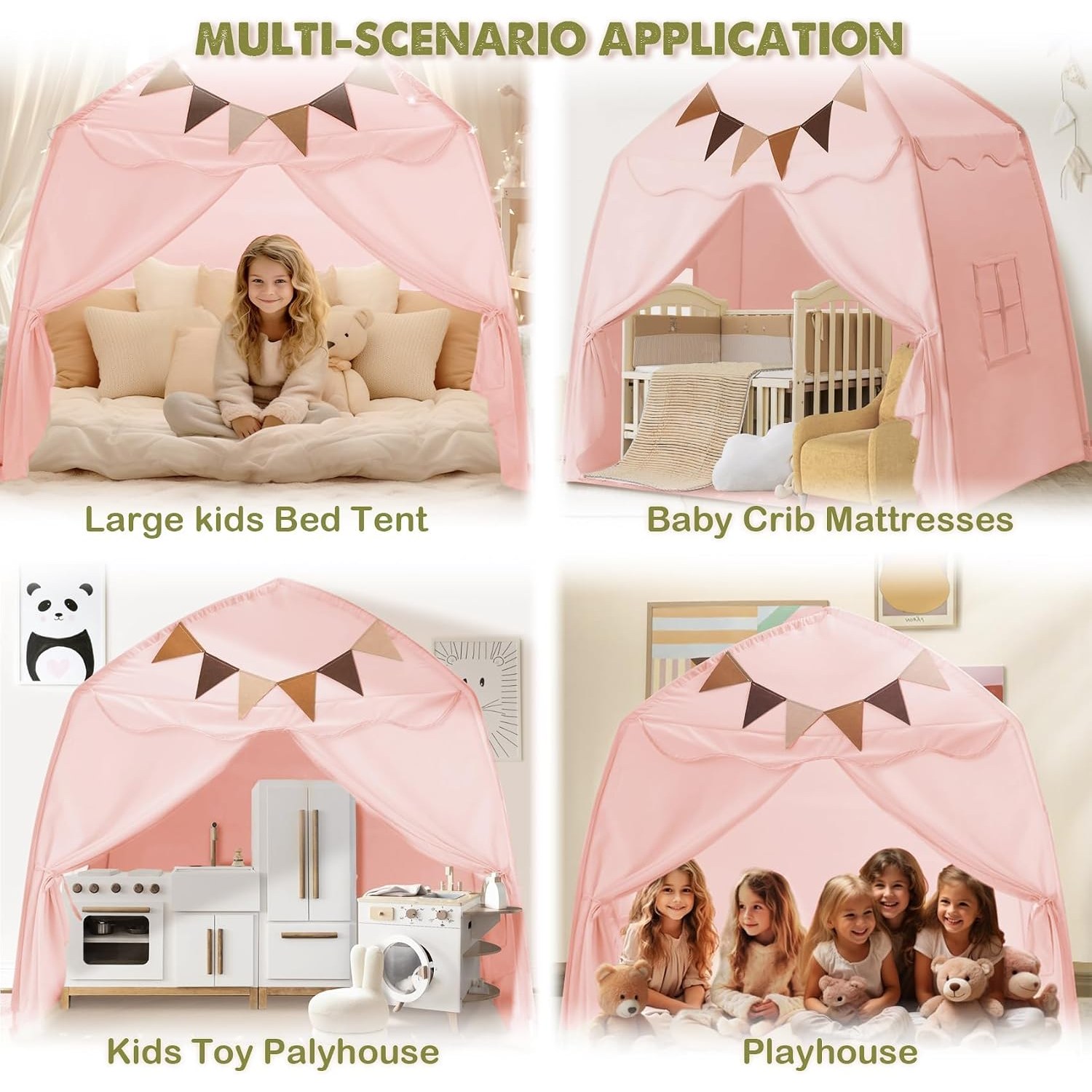
This is where a bigger dome earns its place. At 150 cm wide, 100 cm deep and 150 cm tall, there is enough room inside for three children, which changes the whole point of it. It stops being a prop and starts being a place.
How a dome play tent actually works
The construction is straightforward. Flexible fibre rods thread through sleeves in the fabric cover, and when you flex them into position they hold the dome shape under tension. There is no rigid frame to bolt together and no tools required. Assembly is required out of the box, but it is the sort of job you do once on the living room floor while the kids hover impatiently.
The result weighs around 800 g. That number matters more than people expect. A light tent can be picked up assembled and carried to a different room, which means it can follow the household rhythm. Bedroom in the evening, lounge on a rainy Saturday, back lawn when the sun comes out. Heavy play structures stay where you put them and slowly become furniture nobody asked for.
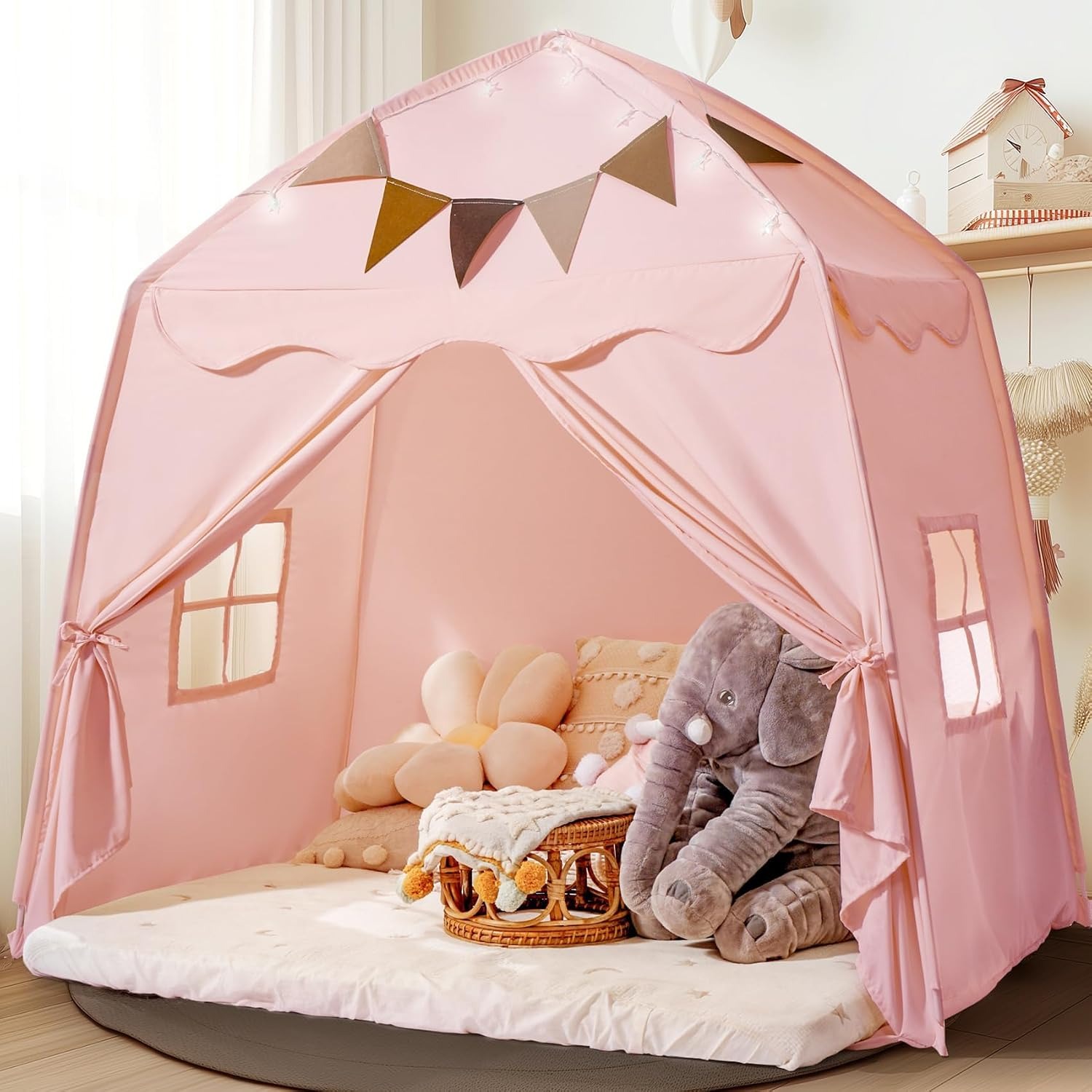
Two curtains hang at the entrance and tie back when the kids want them open. Two windows sit in the side panels. Between them you get light and airflow, which is the difference between a cosy den and a stuffy little box. Anyone who has crawled into a sealed nylon tent on a summer afternoon knows exactly why ventilation belongs on the checklist.
Who it suits
The manufacturer recommends it for ages three and up. In practice, the sweet spot runs from about three to eight, though plenty of older kids keep using one as a private corner for reading or gaming. Younger children enjoy it too, with an adult close by.
It suits a few specific households particularly well.
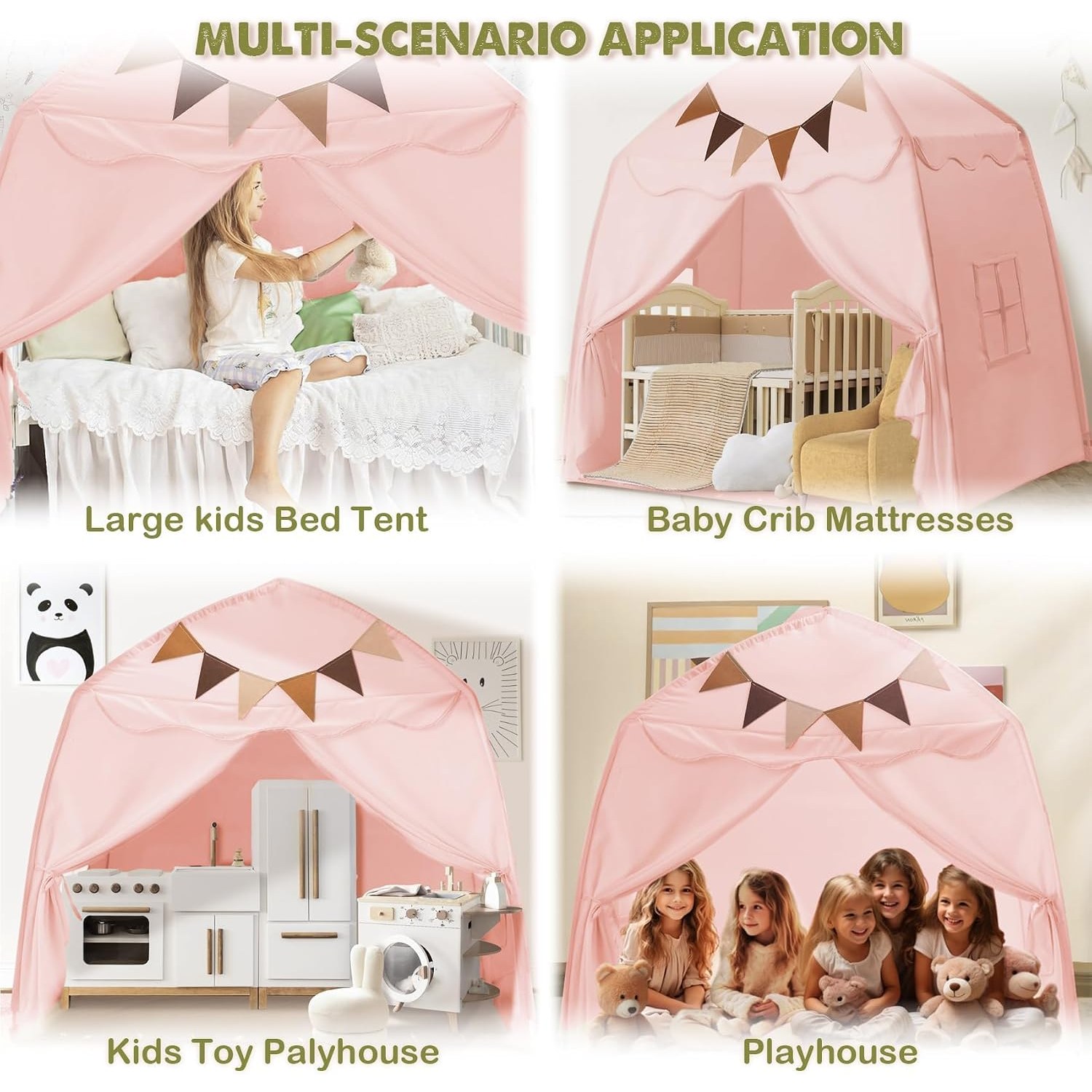
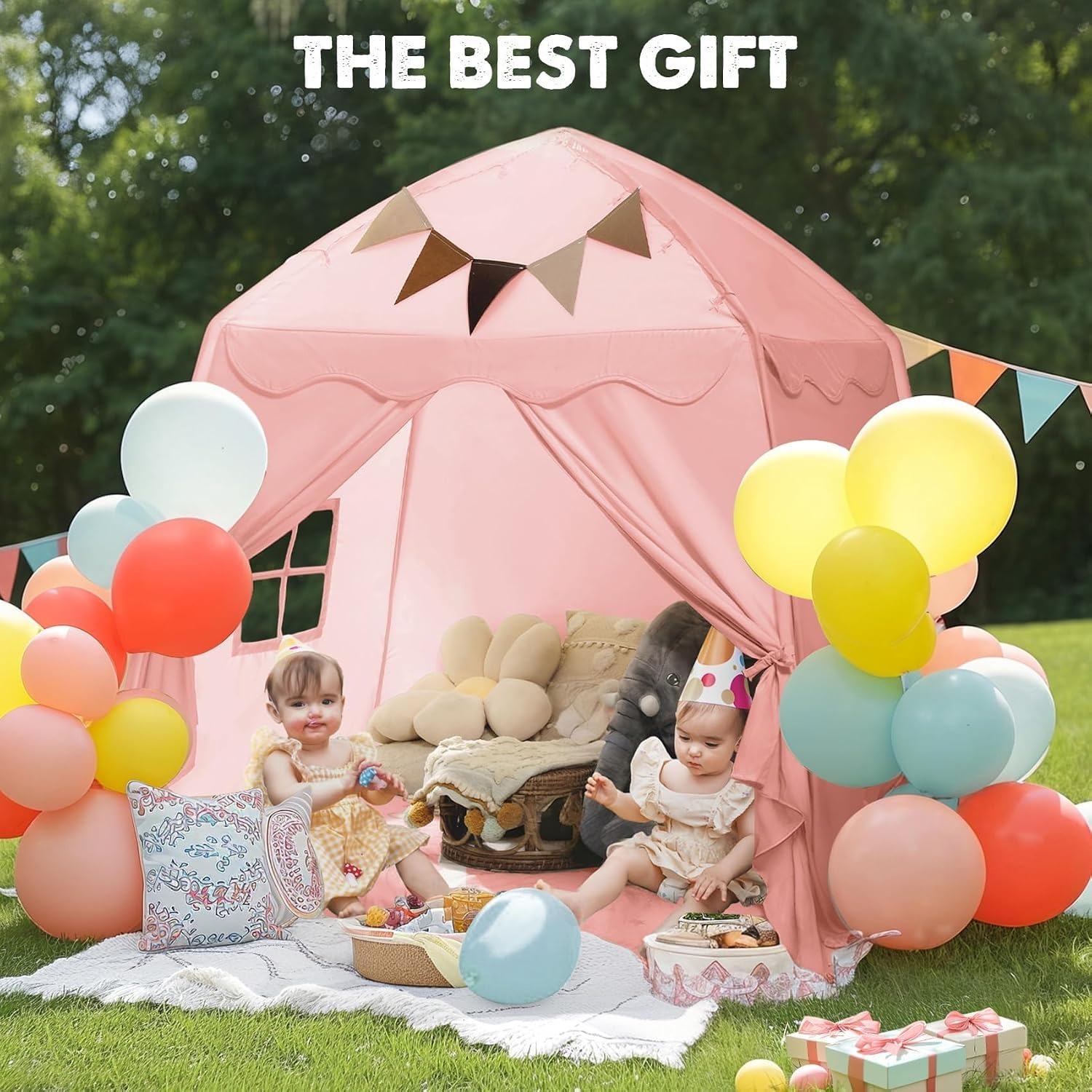
Families with more than one child, because three can fit. Siblings who fight over a one-person tent will usually share a big one. Small homes where a separate playroom is not an option, because the tent carves out a defined play zone and then folds away again. Parents looking for a quiet corner for a child who gets overwhelmed easily, since fabric walls cut down on visual noise without closing anyone in. And anyone hunting for the best birthday gift tent for kids who wants something that still gets used in March.
It is less suitable if you need a weatherproof outdoor shelter. This is an indoor-styled tent that happily goes outside on a dry day, not a camping tent. Rain, wind and overnight dew are not its friends.
How to choose between options
A few things are worth comparing before you commit to any play tent.
Interior height. This gets overlooked constantly. A tent a child has to crawl into and lie flat in feels cramped within minutes. One that lets them kneel up or sit tall feels like a room. The 150 cm height here is at the generous end for a home play tent.
Floor area. Width times depth tells you whether friends can visit. 150 x 100 cm gives genuine space for a rug, a cushion and a couple of kids. Smaller pop-up domes often come in under a metre square, which is a one-child situation.
Washability. Children eat in tents. They do craft in tents. They bring in the dog. A machine washable cover turns a disaster into a Tuesday evening job. Anything that can only be spot cleaned will look grubby by the end of the first year.
Access and light. Tie-back curtains and windows sound like styling details, but they affect how long a child stays inside. Dark and sealed gets abandoned. Bright and breezy gets used.
Pack-down. If your living room has to turn back into a living room when guests arrive, check that the frame comes apart and the fabric folds. This one does.
Setting it up well
Where you put it matters as much as what you buy. Pick a flat spot clear of heaters, power points, cords and anything with sharp corners. Avoid the bottom of stairs and the swing of a door.
Put something soft on the floor inside. A rug, a play mat or a folded quilt makes an enormous difference to how comfortable it feels and how long the kids stay in there. On hard floors it also stops the tent sliding around during enthusiastic play.
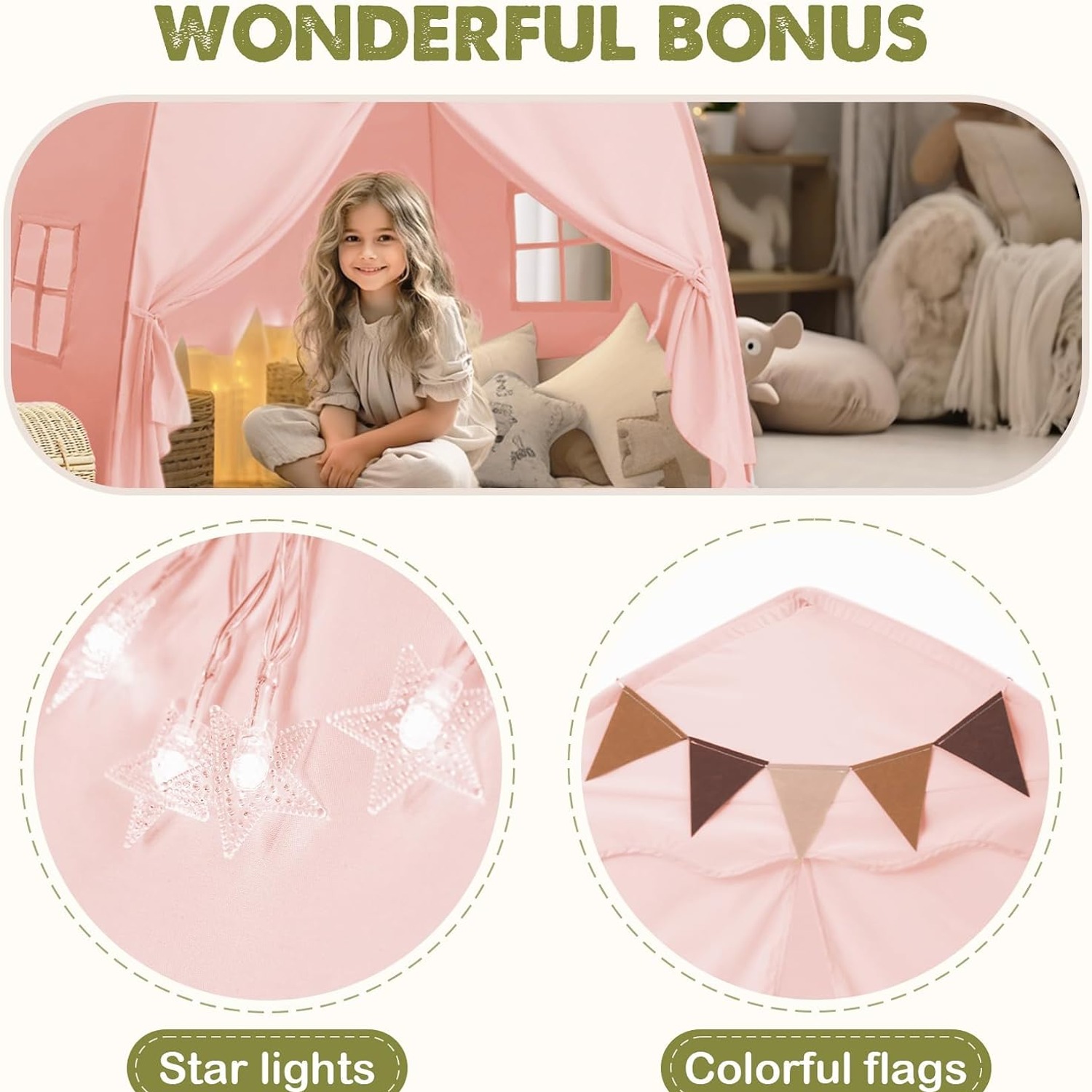
Then let them decorate. Fairy lights draped over the dome, cushions, a basket of books, a torch for reading after dark. The tent arrives as a shell. The kids make it theirs, and the ones that get personalised are the ones that survive.
A word on rules. A soft play structure is not climbing equipment. Make it clear early that nobody sits on the frame, swings off the top or jumps on it from the bed. Set that expectation on day one and the tent lasts years instead of weeks.
Keeping it clean and in one piece
The fabric cover is machine washable, which handles most of the mess. Take the rods out first, wash cold on a gentle cycle with a mild detergent, and leave the bleach and the fabric softener in the cupboard. Softener coats fibres and can make light fabric feel limp.
Dry it in the shade on a line or an airer. Tumble dryers and light tent fabric are a poor match, and heat can shrink panels enough to make reassembly annoying. For small marks between washes, a damp cloth with a little mild soap does the job.
Wipe the rods down with a damp cloth and dry them before storing. Store the whole thing dry and loosely folded rather than crammed into a tight ball, and keep it out of long stretches of direct sunlight, which fades fabric over time. None of this takes much effort, and it is the difference between a tent that looks tired after a season and one that still looks good in year three.
The short version
A play tent only works if children actually want to be inside it, and that comes down to space, light and air. This one gives you 150 x 100 x 150 cm of floor and headroom, two tie-back curtains, two windows and a machine washable cover, all on a fibre rod frame that weighs around 800 g.
It is designed for ages three and up, it moves easily between rooms, it handles a dry day in the garden, and it packs away when you need the floor back. If you have been looking for the best indoor playhouse for kids that is big enough for siblings and simple enough to maintain, this is a sensible place to land.