


The complete guide
Choosing a Kids Play Tunnel That Gets Used Every Day
The problem with most indoor toys
Children have energy on a schedule that ignores the weather. Rainy Saturday, early sunset, long school holidays, it does not matter. The energy still arrives, usually around the time an adult sits down.
Most toys do not help with that. Puzzles and building sets are good for the quiet hours, but they ask a child to stay still. Scooters and balls move the body, but they need outdoor space and dry ground. What is missing in a lot of homes is something physical that works inside, takes almost no setup, and disappears when it is done.
A crawl tunnel fills that gap better than almost anything else at the same price. It is big enough to feel like an event, small enough to store flat, and the game it starts is entirely invented by the child. You do not have to teach anyone how to use a tunnel.
How a pop up tunnel actually works
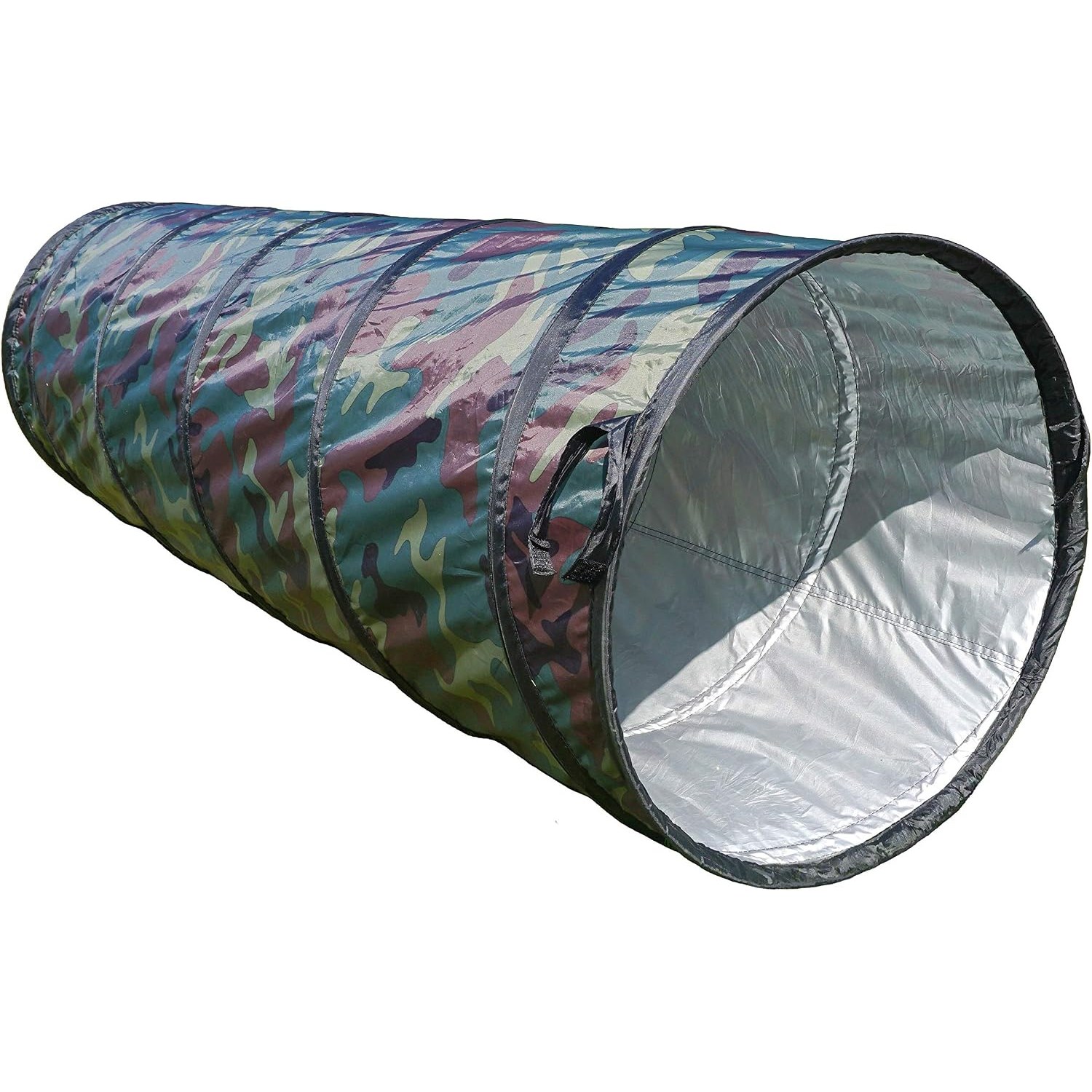
The design is older than it looks and it is clever in its simplicity. Flexible spring steel hoops are sewn into fabric channels that run around the tube. The steel wants to sit in a circle. Fabric holds those circles apart at a fixed distance. Let go, and the whole thing pops into a tunnel shape with no poles to thread or clips to snap.
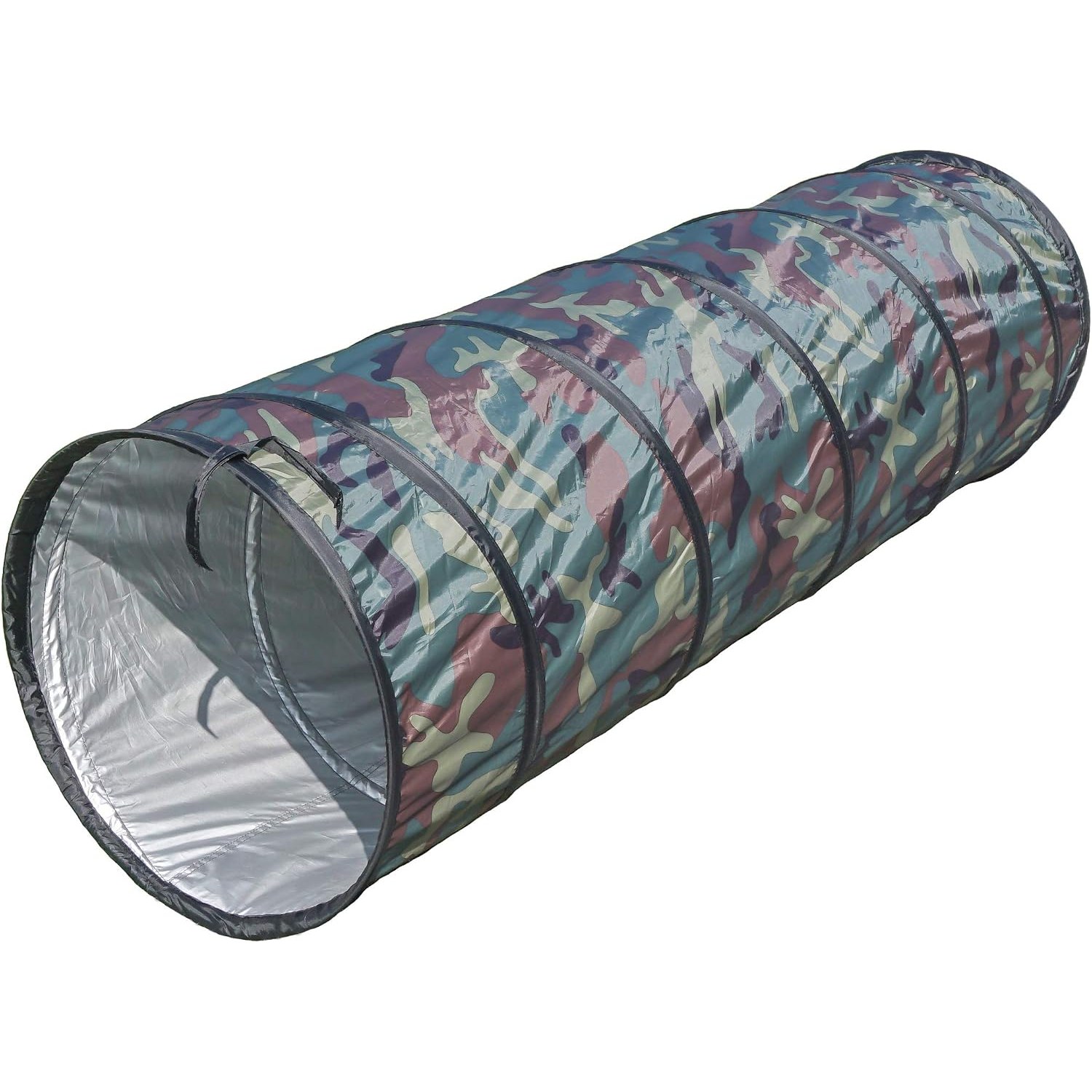
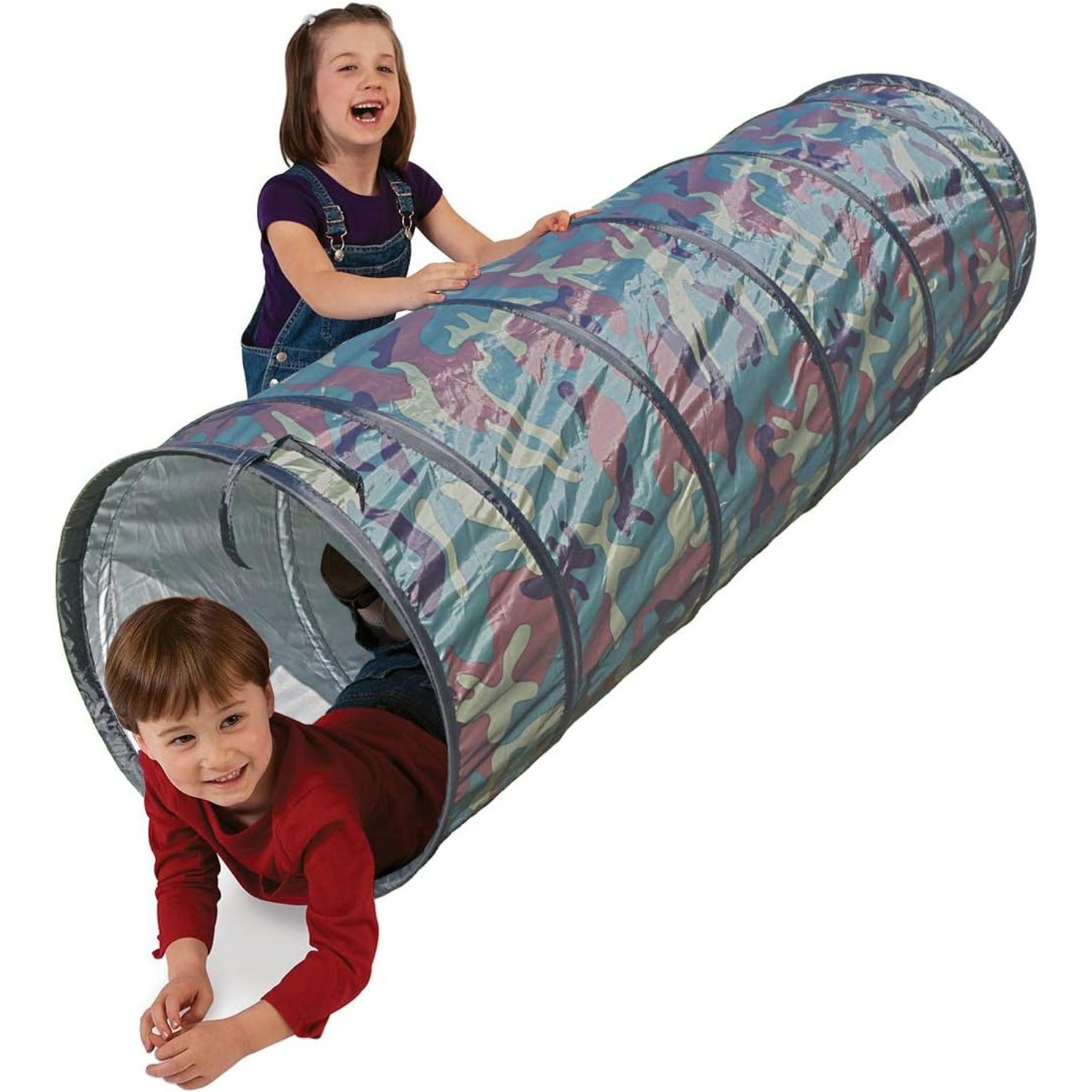
This one is 148 cm long with a 48 cm opening. That length matters. Shorter tunnels at around a metre feel more like a hoop than a passage, and kids lose interest quickly. At nearly a metre and a half, a child disappears for a moment, which is the whole appeal.
The shell here is polyester with a waterproof finish, so it handles damp grass and the odd spilled drink. Inside, a silver coating helps block UV light when the tunnel is left out in the sun. The ends have cotton padding wrapped around the hardened springs, which is the part you will appreciate the first time a four year old charges through at full speed and grabs the rim on the way.
Who it suits
The recommended range is 36 months to 8 years, and that is a fair call.
At three, the appeal is pure physical repetition. In, out, in again, usually with an adult waiting at the other end. The padded openings matter most at this age because little hands grab the edges for balance.
Between four and six, the games get more complicated. The tunnel becomes a cave, a bunker, a secret base, a submarine. The camouflage print does half the work of setting the scene, which is why kids who are into army games, explorers or camping take to it faster than they do to a plain coloured tube.
By seven and eight, it turns into equipment. Obstacle courses, timed races, hide and seek with rules that change every ten minutes. This is also the age where connecting tunnels pays off, because older kids want to design the layout themselves.
It also works well for children who need movement breaks during the day. A crawl tunnel in a corner of the playroom gives them something to do with their body that does not involve running through the house.
Choosing the right size and layout
Before you buy any tunnel, go and look at your floor. You need a clear straight run a bit longer than the tunnel itself, so around two metres for this one, plus space at each end for a child to get in and out without hitting a wall.
Think about the surface too. Carpet and rugs are the easiest. Floorboards work fine but the tunnel can slide a little when a child pushes off hard, so a rug under one end helps. Outdoors, lawn is ideal and sand is fine. Rough concrete will wear the fabric over time, so put down a picnic blanket if that is your only option.
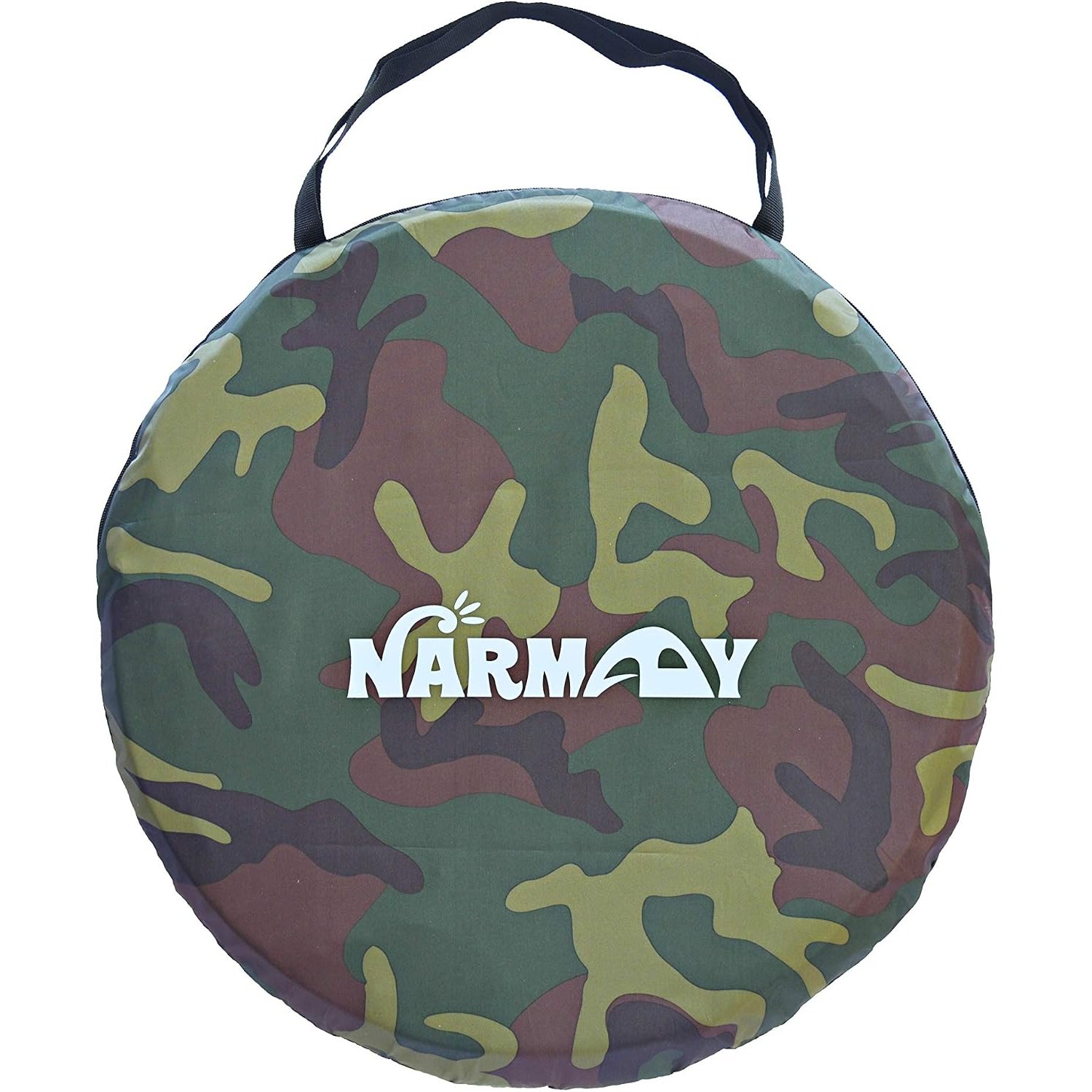
Then think about where it goes when play stops. This is the question that decides whether a toy stays in the house. Because the frame twists flat and the tunnel slides into its carry case, it fits behind a door, under a bed or in the boot of the car. That portability is a big part of why a foldable kids tunnel beats a rigid one for most families.
Connecting tunnels and tents
Both side openings on this tunnel can be joined to other tents and tunnels. That single feature changes how long the toy stays interesting.
A straight tunnel on its own is good for a few weeks. A tunnel attached to a pop up tent becomes a house with a secret entrance. Two tunnels joined to a tent become a base with two exits, which siblings love because each one gets their own door. Add a third piece and you have a loop they can run around for an hour.
You do not need to buy everything at once. Start with the tunnel, see how much it gets used, and add a tent later if the interest holds. Compatibility comes down to opening size, so check the diameter of anything you plan to attach.
Getting the fold right
The one thing worth learning properly is the fold. Most tunnels that break were forced, not worn out.
Stand the tunnel on its end. Push the top hoop down toward the bottom one so the fabric collapses between them. Now twist, so the hoops cross over each other and form smaller overlapping circles. The steel wants to do this. If you are fighting it, you are twisting the wrong way, so turn your hands the other direction and try again.
Once the circles sit flat together, slide the whole stack into the carry case. The first few times will feel awkward. After a week it takes about ten seconds, and most parents end up teaching the kids to do it themselves.
Care that actually extends its life
Wipe the fabric with a damp cloth and a little mild soap when it gets grubby. Let it dry completely in the air before folding, because trapped moisture in a packed tunnel smells bad within days.
Keep it out of the washing machine. The spring steel frame is sewn in, and a wash cycle can bend the hoops permanently so the tunnel never sits straight again. The same goes for tumble drying and ironing.
After outdoor play, shake out grass, sand and leaves before it goes in the case. Store it flat in a dry cupboard rather than crushed under heavy boxes. Keep it away from heaters, fireplaces and anything with a flame.
The short version
A kids pop up tunnel is one of the few toys that buys back floor space instead of eating it. This one is 148 cm long with a 48 cm opening, built on a spring steel frame with waterproof polyester, a silver UV blocking lining and padded ends. It suits children from about three to eight, works indoors and out, and connects to other tents and tunnels when you want a bigger setup.
Check you have a clear two metre run, learn the twist fold in the first week, and dry it before it goes away. Do those three things and this is a toy that gets dragged out most weeks for years rather than sitting in a cupboard after the novelty fades.